When most people think about orthodontics, they picture straight teeth and a beautiful smile. While that’s certainly an important part of treatment, orthodontics is about much more than appearance. At our practice, we focus on creating healthy bites, guiding jaw growth, and building smiles that last a lifetime.
Rather than choosing myofunctional therapy vs. orthodontics, it’s important to understand that the best results often come from myofunctional therapy and orthodontics working together.
What Is Orthodontics?
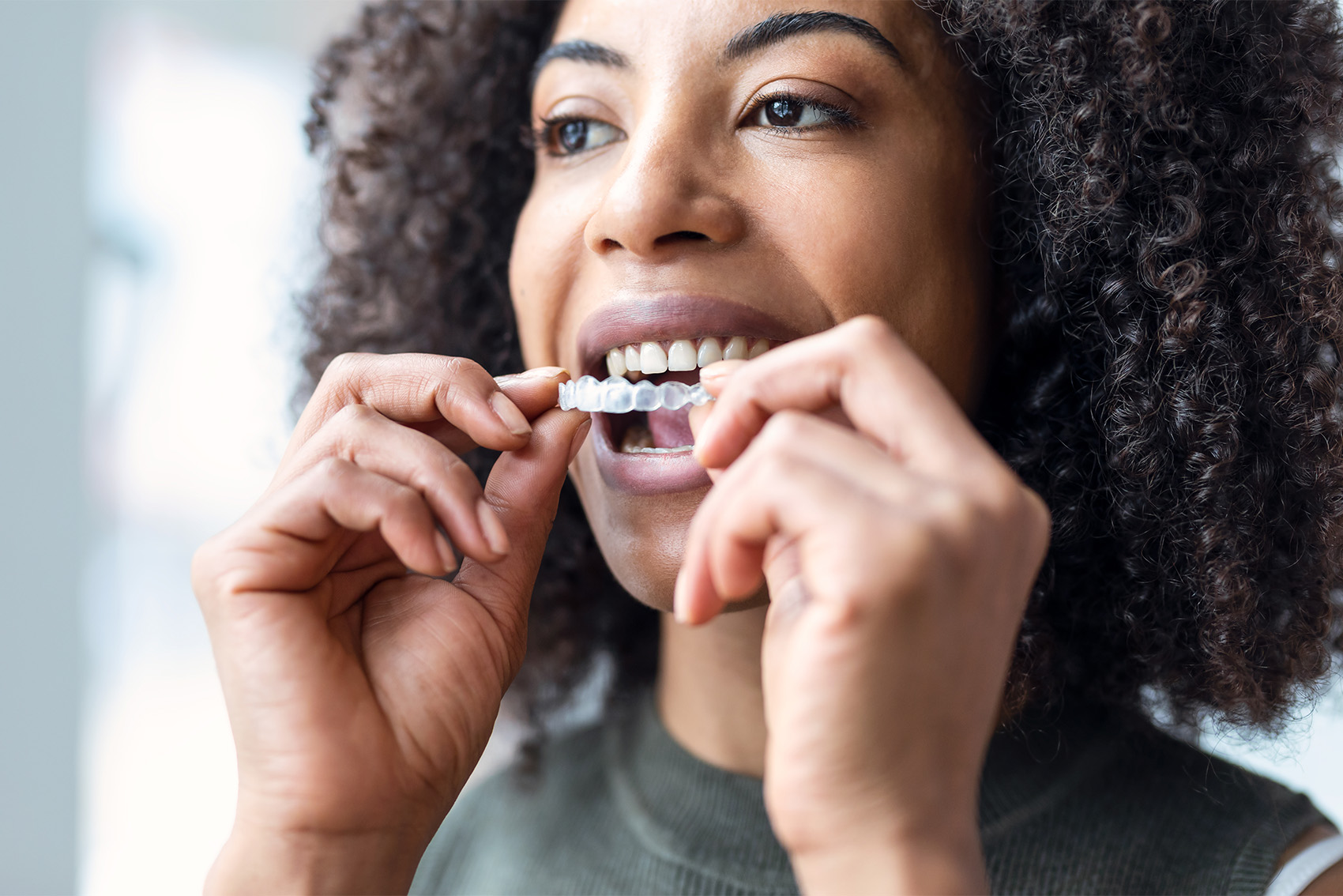
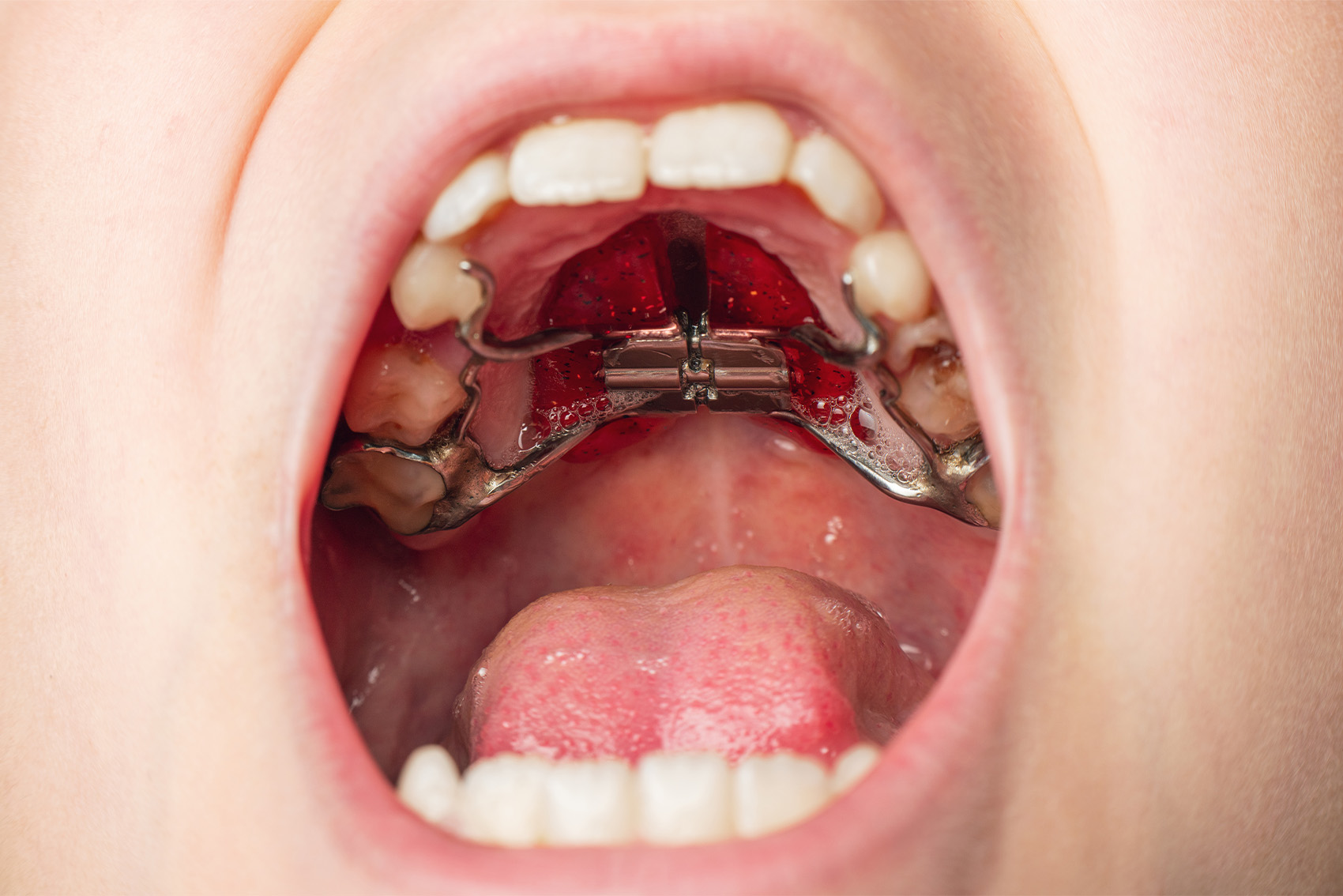
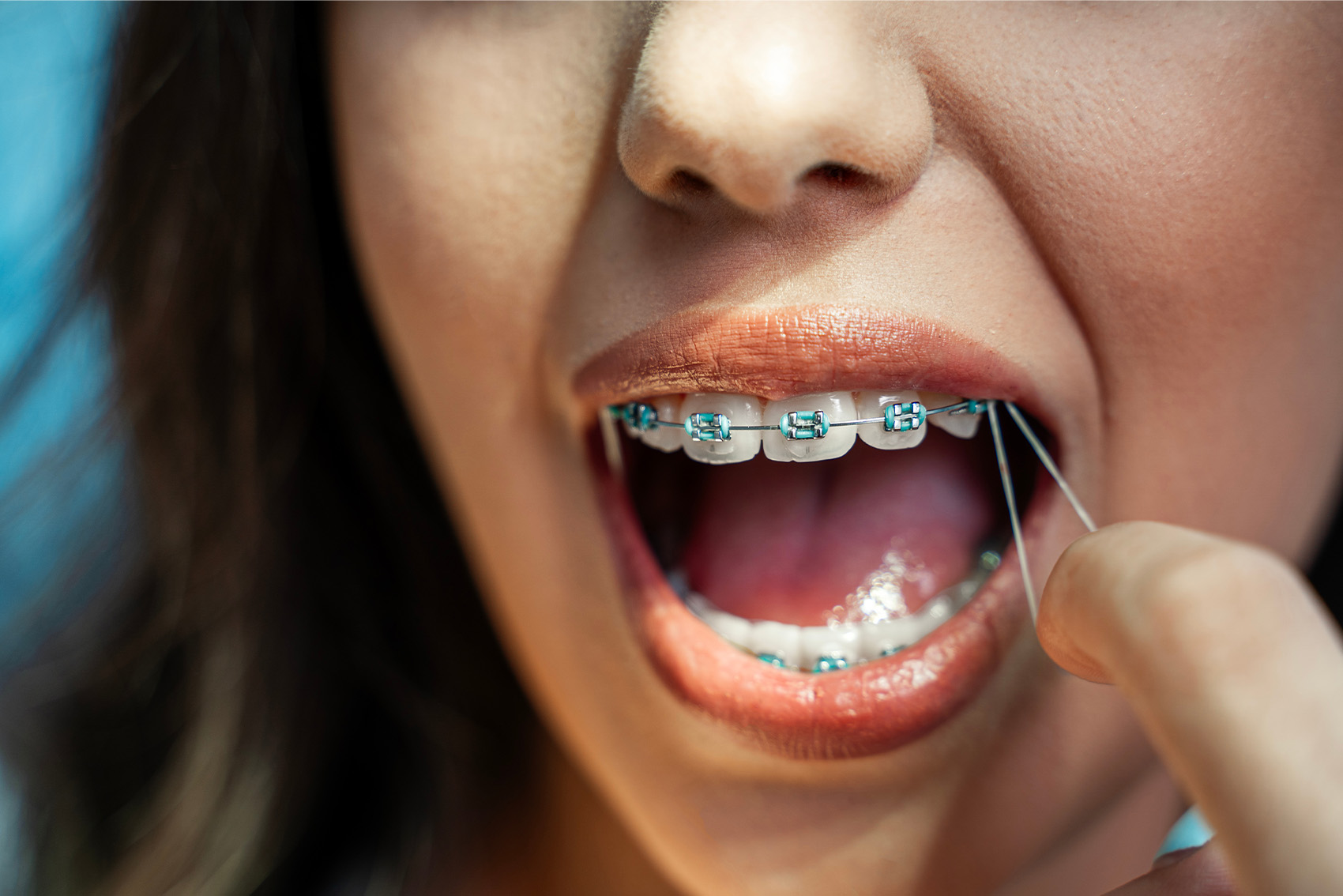
Orthodontics focuses on how the teeth and jaws fit together, a relationship known as occlusion. Through braces, clear aligners, and growth-guiding appliances, orthodontic treatment helps:
- Straighten crooked teeth
- Correct bite problems
- Guide jaw development in growing children
- Improve chewing and overall oral function
- Create a healthy, confident smile
The goal is to establish proper alignment between the teeth and jaws for both function and aesthetics.
What Is Myofunctional Therapy?
Myofunctional therapy focuses on the muscles of the mouth and face, especially the tongue, lips, cheeks, and swallowing muscles. Instead of concentrating on how the teeth fit together, myofunctional therapy addresses what happens when the teeth are not together.
A trained myofunctional therapist helps patients develop healthy habits such as:
- Proper tongue posture
- Correct swallowing patterns
- Lip seal at rest
- Healthy oral muscle function
- Improved breathing habits
These exercises help retrain the muscles to support healthy facial growth and proper oral function.
Why Orthodontics and Myofunctional Therapy Work Together
Think of orthodontics as positioning the teeth, while myofunctional therapy helps create the muscle environment that supports those teeth.
If underlying habits like tongue thrust, improper tongue posture, mouth breathing, or poor lip posture are not addressed, they can place pressure on the teeth over time. This may increase the likelihood of teeth shifting after orthodontic treatment.
By combining orthodontics with myofunctional therapy, patients can benefit from:
- More stable orthodontic results
- Improved facial muscle function
- Better jaw development in growing children
- Healthier swallowing patterns
- Proper tongue positioning
- Enhanced overall oral function
Together, these treatments create a stronger foundation for a healthy smile.
The Importance of Nasal Breathing
One of the most important topics in both orthodontics and myofunctional therapy is nasal breathing.
Breathing through the nose helps support normal facial growth, encourages proper tongue posture, filters and humidifies the air we breathe, and promotes healthier muscle function throughout the mouth and face.
In contrast, chronic mouth breathing may contribute to changes in facial development, muscle imbalance, and other oral health concerns. While every patient is unique, evaluating breathing habits can be an important part of comprehensive orthodontic care.
We’ll be sharing much more about the role of nasal breathing in future blog posts because it’s an essential piece of achieving lifelong oral health.
Is Myofunctional Therapy Right for You?
Myofunctional therapy may benefit children, teens, and adults who experience:
- Mouth breathing
- Tongue thrust
- Improper tongue posture
- Open bite or bite changes
- Speech concerns related to oral muscle function
- Difficulty maintaining orthodontic results
- Lip incompetence (difficulty keeping the lips comfortably closed)
During your orthodontic evaluation, we can determine whether myofunctional therapy may be a valuable addition to your treatment plan.